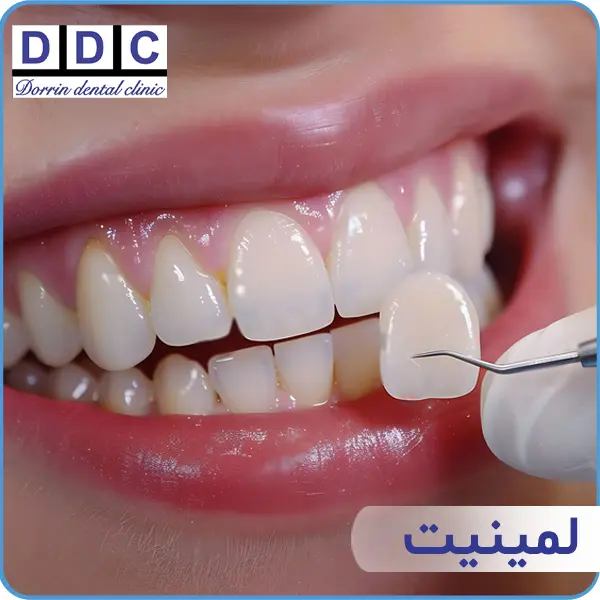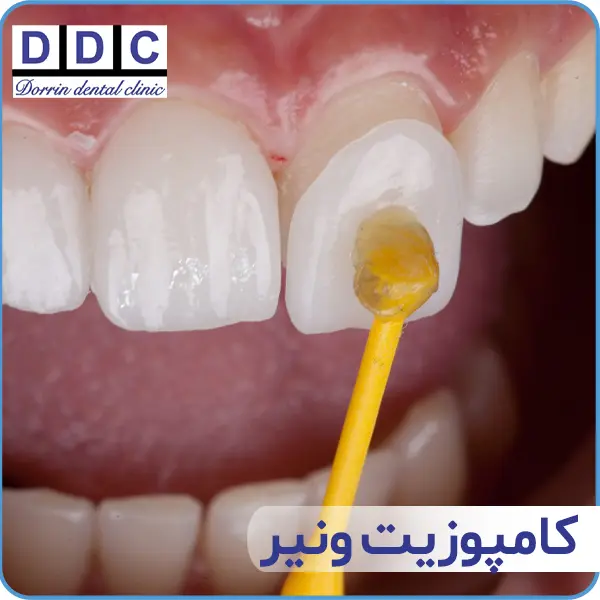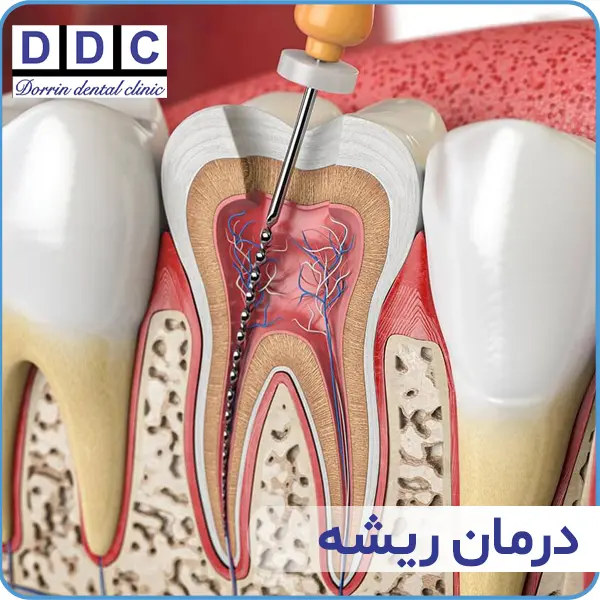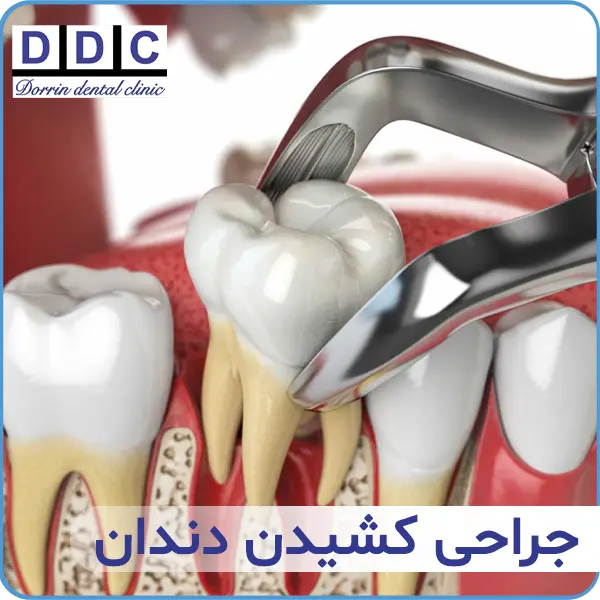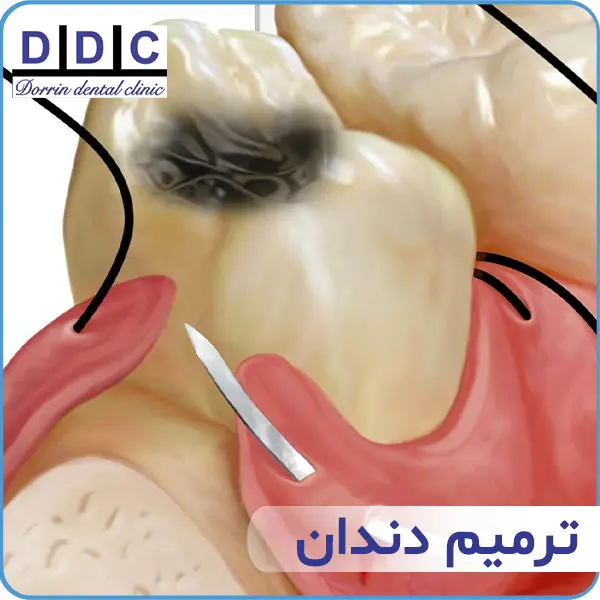
A tooth may become decayed or damaged in various ways, and this damage can be minor or severe depending on the type of trauma. Tooth decay is a very common bacterial condition that causes tooth pain. The dentist examines the tooth and the severity of the damage to choose the best option for restoration.
Dental restoration is a treatment to rebuild the lost function, integrity, and structure of a tooth due to decay or external trauma. The process begins by removing existing decay and then rebuilding the lost parts of the tooth using restorative materials, which can be metal alloys (amalgam) or tooth-colored materials (composite).
Read on to learn more about different types of dental restorations.
What is Dental Restoration?
In dental restoration, the dentist removes the decayed or infected parts of the tooth and then fills it with special materials. …

What Are the Benefits of Dental Restoration?
-
Extends the lifespan of teeth
-
Saves future dental costs
-
Comfortable and fits naturally
-
Improves overall oral health
-
Resistant to pressure and wear
-
Long-lasting and durable
-
Preserves natural tooth structure
-
Prevents tooth extraction
-
Stops progression of decay or damage
-
Improves smile aesthetics
-
Restores dental function
What is Build-up Restoration?
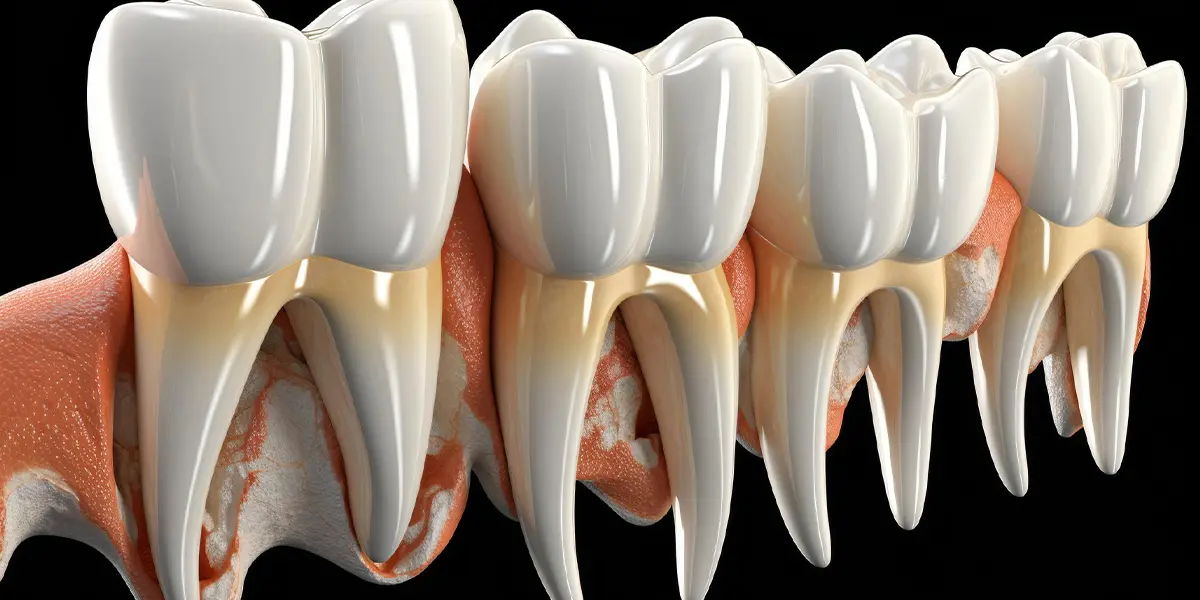
If a large portion of a tooth is missing, a build-up restoration is used to rebuild it. This method uses special materials to create a foundation for placing a crown or other restorations, ensuring the tooth’s structure and strength are preserved.
What is Amalgam Filling?
Amalgam is one of the oldest and most durable materials used for dental restorations, made from mercury combined with metal alloys. It is suitable for back teeth that endure heavy chewing forces, but it is rarely used on front teeth due to its silver color.
What is Composite Dental Filling?
Composite is a tooth-colored material used to restore small cavities, cracks, chips, and to improve the appearance of teeth. This type of restoration is highly popular for front teeth due to its natural and aesthetic appearance.
Why Are 6-Month Dental Checkups Important?
Minor dental damage often has no pain or symptoms and can progress to severe decay and infection if not detected early. Regular 6-month dental checkups allow the dentist to identify and treat issues in their early stages.
What Are the Steps of Dental Restoration?
به طور کلی مراحل ترمیم دندان می تواند شامل موارد زیر باشد:
Detecting Tooth Decay:
At this stage, the dentist examines the tooth and identifies any decay or cavities. Dental X-rays may also be taken to provide a more accurate view of the decay.
Creating a Treatment Plan
After diagnosis, the dentist determines the most suitable treatment method based on the severity and location of the decay.
Applying Local Anesthesia
Before starting the restoration, local anesthesia is applied around the tooth so the patient does not feel pain during the procedure.
Preparing the Tooth
The dentist removes the decayed tissue using specialized instruments and shapes the tooth to create space for the restorative material.
Placing the Restorative Material
The appropriate restorative materials are selected based on cavity size and location, aesthetic considerations, and patient preference. The material is placed in layers and then hardened.
Checking Occlusion (Bite Alignment)
The dentist checks how the restored tooth contacts opposing teeth to ensure proper chewing and jaw alignment, making sure the restoration does not interfere with function.
Polishing and Finishing
After the restoration is completed, the tooth is cleaned and smoothed, and any excess material is removed. Final polishing gives the restoration a natural and glossy appearance.