Chipped, discolored, or unevenly spaced teeth are among the most common issues that can affect the beauty of your smile. If you are experiencing any of these problems, you have probably looked for an effective treatment.
Today, there are numerous modern solutions for improving the appearance and alignment of teeth — one of the most advanced options is ceramic dental veneers.
What Are Ceramic Dental Veneers?
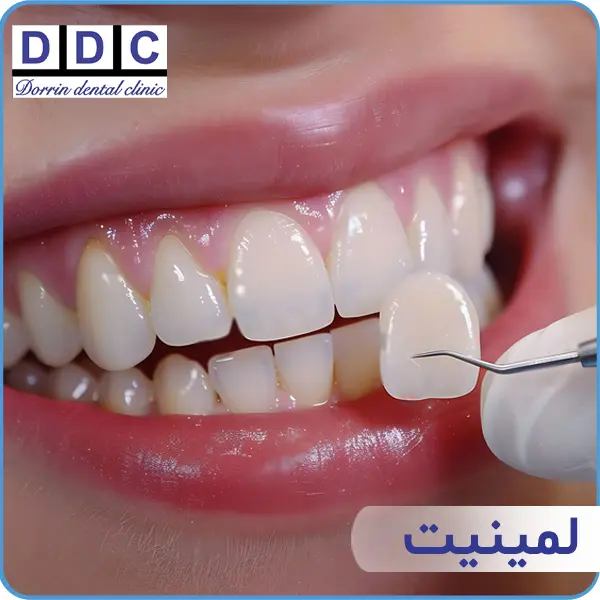
A ceramic laminate veneer is an ultra-thin but durable layer made of high-quality porcelain that covers the front surface of the teeth to correct imperfections.
Unlike composite veneers, ceramic laminates require about two to three weeks for fabrication and delivery.
They are used to correct:
-
Minor misalignments and irregularities
-
Uneven tooth length
-
Tooth discoloration or staining
-
Chipped or broken teeth
-
Gaps between teeth (diastema)
-
Small or misshaped teeth
Applications of Ceramic Veneers
-
Smile design enhancement
-
Correction of minor tooth crowding or misalignment
-
Closing small gaps between teeth
-
Repairing broken or chipped teeth
-
Removing stains and discolorations
-
Correcting uneven gum lines
-
Improving enamel defects or surface irregularities
Who Should Avoid Ceramic Veneers?
Ceramic veneers may not be suitable for individuals who:
-
Have insufficient enamel thickness
-
Suffer from bruxism (teeth grinding)
-
Neglect proper oral hygiene
-
Have teeth that are severely tilted or protruding
-
Have severely worn or short teeth due to decay or erosion

Differences Between Ceramic Veneers and Composite Veneers
Material Composition:
Composite veneers are made from resin-based materials, while ceramic veneers are fabricated from porcelain or other advanced ceramics.
Cost:
Composite veneers are generally more affordable compared to ceramic veneers.
Longevity:
Ceramic veneers typically last longer and maintain their aesthetic appearance over time.
Reversibility:
Both methods are minimally reversible, but ceramic veneers are more stable and less prone to early failure.
Stain Resistance:
Ceramic veneers are far more resistant to staining than composite veneers.
Treatment Duration:
Composite veneers can often be completed in one session, while ceramic veneers require additional time for impression and lab fabrication.
Choosing Between Composite and Ceramic Veneers
Each method has unique advantages and limitations, so it’s essential to consult a cosmetic dentist before making a decision.
-
Patient Goals:
For minor corrections and color enhancement, composite veneers are cost-effective and sufficient. For more complex alignment or shape issues, ceramic veneers are recommended. -
Aesthetic Expectations:
Both options come in a wide range of shades and translucencies, allowing patients to choose their desired smile tone. -
Tooth Spacing and Size:
For patients with small teeth or noticeable gaps, ceramic veneers provide better results. -
Durability vs. Cost:
While composite veneers are cheaper and faster to apply, they stain more easily and have a shorter lifespan. Ceramic veneers, on the other hand, are more durable, resistant to discoloration and chipping, and maintain their shine for years.
Lifespan of Dental Veneers
Ceramic veneers are durable and long-lasting but not permanent.
With proper care and maintenance, they can last 10 to 15 years or longer.
Post-Veneer Care Instructions
-
Maintain excellent oral hygiene: brush at least twice a day and floss daily.
-
Use a soft-bristle toothbrush and non-abrasive toothpaste.
-
Visit your dentist every six months for routine check-ups and veneer evaluation.
-
Limit consumption of staining foods and beverages (coffee, tea, red wine, etc.).
-
Avoid teeth grinding; use a night guard if necessary.
-
Do not use teeth as tools — avoid opening bottles or biting hard objects.
-
Refrain from smoking or using tobacco products.
-
Protect your teeth from physical trauma and avoid very hard or sticky foods.