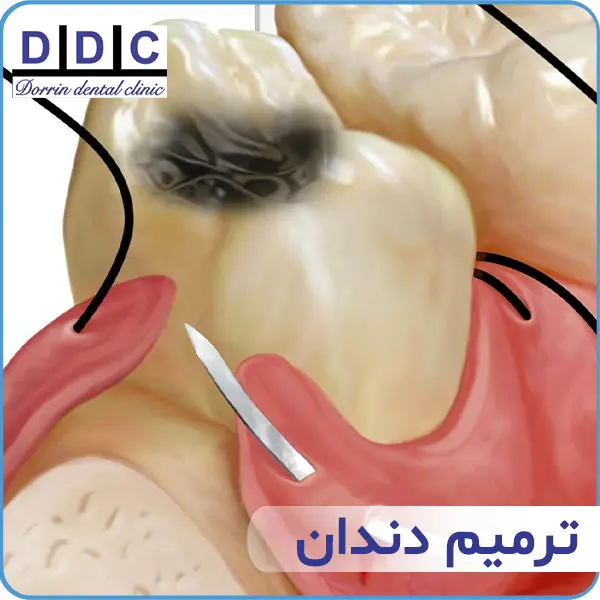
Teeth are one of the most important factors in oral health and creating a beautiful, healthy smile, and sometimes severe damage to teeth cannot be repaired with conventional dental treatments.
In some cases, extracting one or more teeth is the best way to maintain oral health, prevent serious complications, eliminate infection, and restore you to a path of a healthy smile and life.
Continue reading to learn more about tooth extraction and dental surgery.
What is Tooth Extraction?
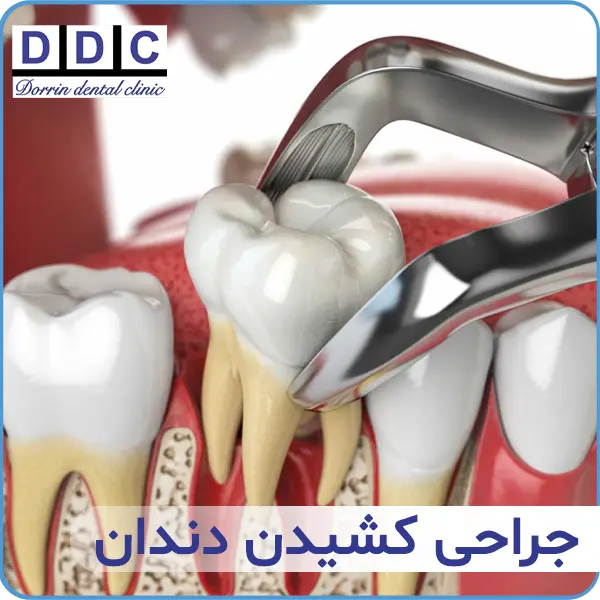
Tooth extraction actually means removing a tooth from its socket in the jawbone and gum tissue.In dentistry, the main focus is on preserving and maintaining teeth, but in some cases, issues such as tooth decay or gum disease may create conditions where saving the tooth is no longer possible.In these situations, tooth extraction is considered a last resort.
What is Dental Surgery?
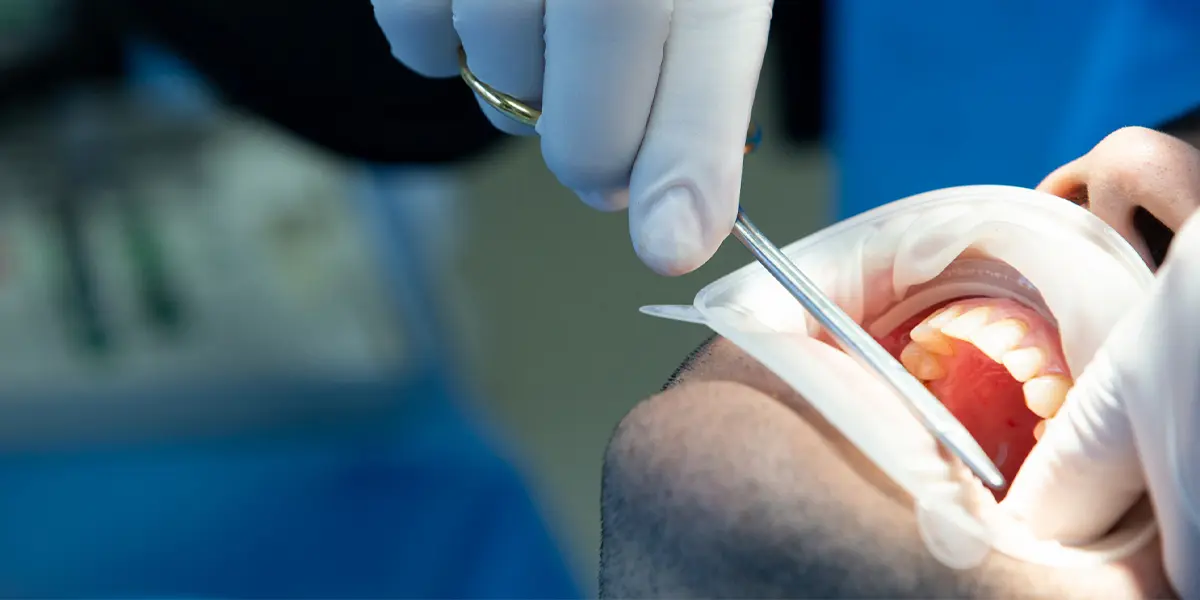
In cases where a tooth has not fully erupted or is partially impacted in the gum, or when the tooth root is deeply embedded, surgical intervention is required to remove the tooth.In this procedure, after making an incision in the gum and gaining access to the tooth, specialized surgical instruments are used to extract the tooth from its position.
Causes of Tooth Extraction
- Dental trauma (tooth injury)
- Tooth decay (dental caries)
- Infection
- Loss of tooth structure
- Dental diseases such as Periodontal disease
- Misaligned teeth (crooked or overlapping teeth)
- Tooth crowding and Orthodontic treatment
- Tooth damage or injury
- Failure of primary teeth to fall out on time
- Impacted teeth
What Is a Wisdom Tooth?
A wisdom tooth is a large molar located behind the premolars at the very back of the dental arch.Wisdom teeth usually erupt between the ages of 18 and 25.There are four wisdom teeth in the mouth. In some people they do not erupt, while in others they may require surgical extraction.Because over time they can develop decay and cause other oral health problems.
When Should a Wisdom Tooth Be Extracted?
If the upper and lower jaws are well-developed and normal, the wisdom teeth may erupt properly and align naturally.In this case, as long as the wisdom teeth are healthy, they do not need to be removed.However, if a wisdom tooth is decayed, impacted, or partially impacted, it must be extracted.
Benefits of Wisdom Tooth Extraction
- Prevents gum infection
- Prevents dental cysts and abscesses
- Eliminates bad breath in some cases
- Makes cleaning teeth easier
- Speeds up orthodontic treatment
What Is Crown Lengthening Surgery?
Crown lengthening is an excellent dental procedure for patients who do not have enough tooth structure above the gumline due to reasons such as fracture, decay, or genetics.In other words, if the gum tissue excessively covers the teeth or trauma has occurred, crown lengthening can expose more of the tooth structure to allow proper treatment.
Post-Extraction & Surgery Care
- No brushing or flossing for the first 24 hours
- Avoid hot, hard, or spicy foods and do not use a straw
- Bite on the sterile gauze for 2 hours with gentle pressure
- Eat ice cream and use a cold compress after removing the gauze
- Avoid strenuous physical activity for a few days
- Use anti-inflammatory medications like Ibuprofen as prescribed
- Avoid smoking for 2 days
- Do not rinse or insert anything into the socket for 1–2 days
- Have non-dissolvable stitches removed on the scheduled date
- If you experience heavy bleeding, severe pain, swelling, or fever, visit your dentist immediately