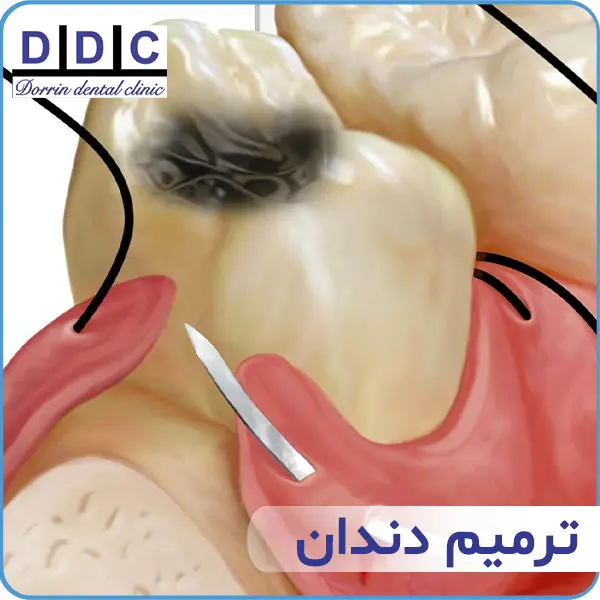
Everyone knows how valuable natural teeth are, and it is essential to preserve their health as much as possible. Root canal treatment is one of the last options to save a damaged tooth and eliminate deep decay within the root. It is also one of the most important dental procedures that can prevent the need for tooth extraction.
Therefore, root canal therapy, which plays a vital role in removing decay from the root and preserving the tooth, is considered a crucial and fundamental dental treatment. Continue reading this article to learn more about root canal treatment.
What is Root Canal Treatment?
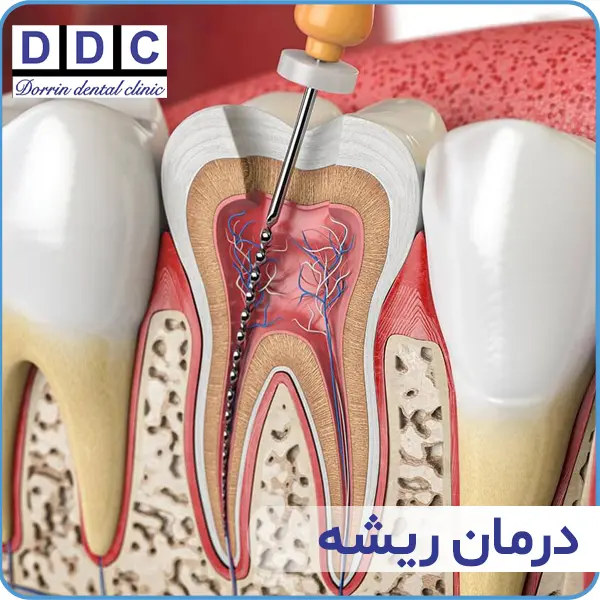
Root canal treatment, often mistakenly called “nerve removal,” involves removing the pulp tissue from the root canal, cleaning and shaping the canal space, and then filling it to prevent bacteria from re-entering and causing reinfection.The goal of root canal therapy is to preserve the tooth in the mouth without living nerves inside it, eliminating pain during chewing and maintaining dental aesthetics and a beautiful smile.
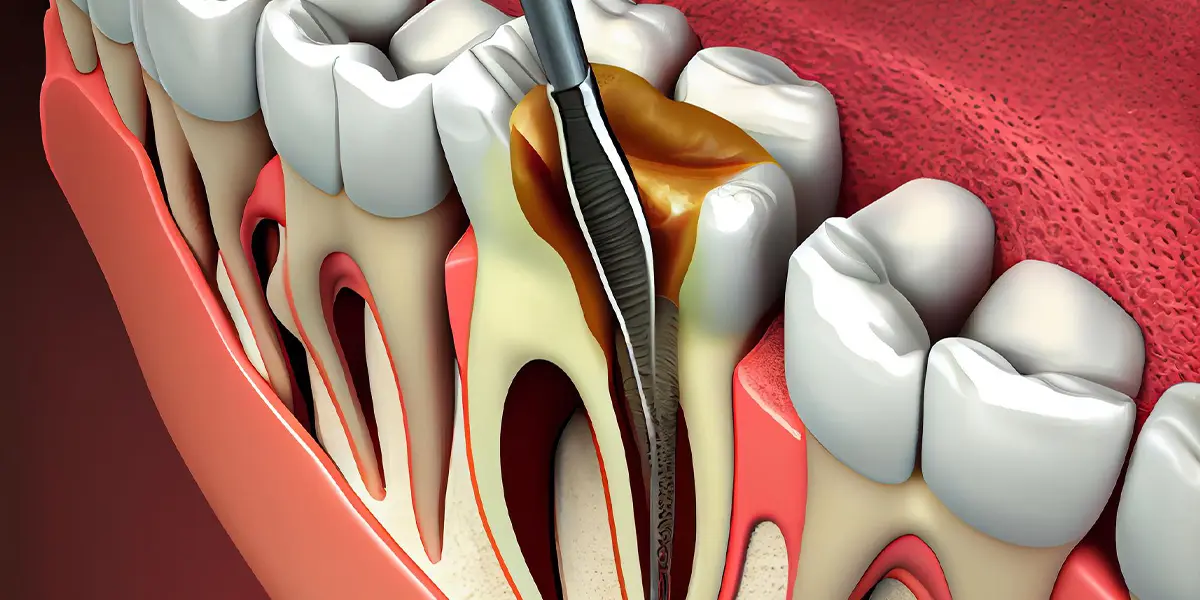
Methods of crown restoration after root canal treatment:
-
Tooth restoration with Composite Resin
-
Cast Post
-
Amalgam Restoration
-
Laboratory-made Inlay and Onlay restorations
These are common methods for rebuilding the tooth crown after root canal treatment.
Steps of root canal treatment:
First, the dentist examines the tooth clinically and with dental X-rays to assess the extent of damage or infection. Next, local anesthesia is administered to numb the area around the affected tooth. A small opening is then made in the crown to access the pulp chamber. Using specialized instruments, the infected or damaged pulp tissue is removed, the inside of the tooth is thoroughly cleaned, and the root canals are shaped to prepare them for filling. Once the canals are cleaned and shaped, they are sealed with a special root filling material. Finally, a restoration or crown is placed to protect the tooth from further damage.
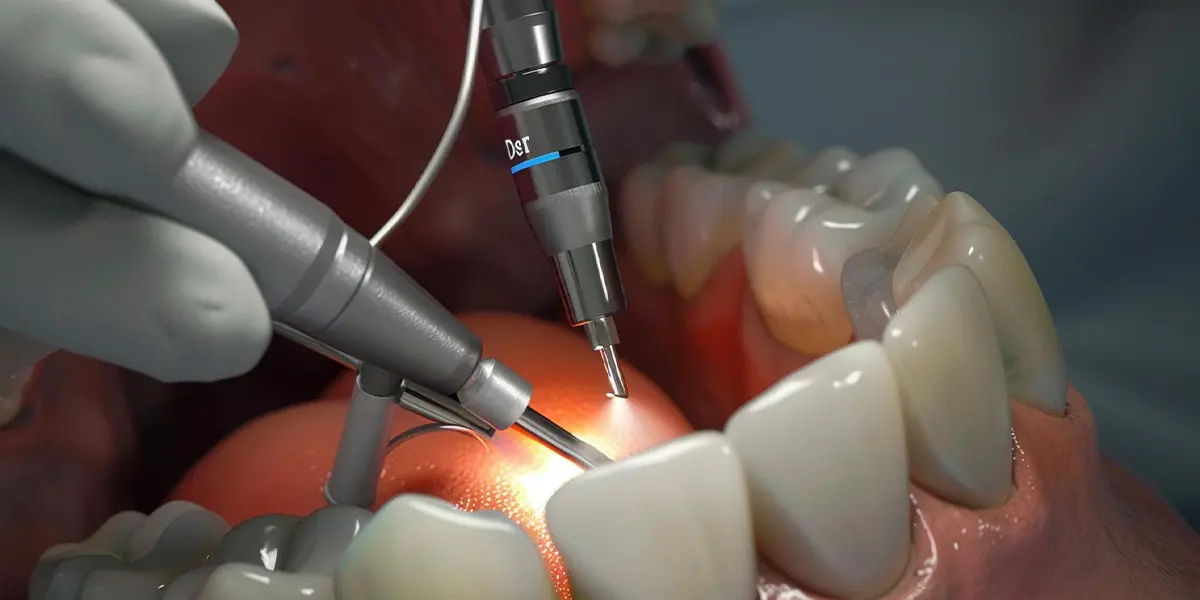
In some cases, medication may be placed inside the tooth to eliminate any remaining infection and promote healing. After root canal therapy, the tooth may feel sensitive for a few days, but this discomfort usually subsides as the area heals.
Signs that indicate a tooth may need root canal treatment:
-
Gum boil (fistula)
-
Cracked or fractured teeth
-
Swollen or tender gums
-
Darkened gums or deep cavities
-
Tooth mobility (looseness)
-
Persistent pain, especially night pain
-
Spontaneous, throbbing pain
-
Prolonged pain after consuming hot or cold foods/drinks
-
Pus discharge from the affected tooth
-
Abscess formation or intraoral/extraoral swelling
Why do teeth discolor after root canal treatment?
-
The materials and medications used to fill the root canal may contain pigments that can leach out and penetrate the outer layers of the tooth.
-
Restoration of a tooth with Amalgam (silver-colored) can cause the tooth to appear gray; therefore, it is usually not used for teeth in the smile line.
- Dental Necrosis
-
Remaining portions of neural and vascular tissue
What is retreatment (re-endo)?
As the name suggests, root canal retreatment refers to performing root canal therapy again, usually due to incomplete cleaning of the canals or the recurrence of infection within the root.
Root canal treatment in primary (baby) teeth:
Many parents assume that because Primary Teeth are temporary, they do not require care; however, this is a misconception, as their main role is to preserve the space for the eruption of Permanent Teeth and they should exfoliate at the proper time.
Premature loss of primary teeth without maintaining the required space for permanent teeth can lead to multiple problems, including dental crowding and misalignment.Therefore, if a primary tooth becomes decayed and requires root canal therapy, it is essential to perform it to preserve the tooth.Pulpectomy and Pulpotomy are two common root canal treatment methods for primary teeth.
Post–root canal care:
-
Avoid chewing hard foods with the treated tooth.
-
Take prescribed medications such as antibiotics and painkillers fully and on time.
-
Because root canal–treated teeth can become brittle, use the tooth with care and consider getting a crown as soon as possible.
-
Brushing is allowed after treatment, but flossing should be avoided initially as it may disrupt the temporary filling.
-
The temporary filling will harden within an hour, so avoid rinsing or eating solid foods during the first hour.
-
If the temporary filling comes out completely, visit your dentist to replace it. If only a superficial part is lost, a visit may not be necessary.