Modern dentistry has made significant advancements in improving and enhancing individuals’ smiles. Today, regardless of your dental condition or personal preference, you can pursue solutions to enhance or improve the color and appearance of your teeth. Numerous methods and options are available for anyone seeking to achieve a better and more attractive smile. Composite veneers are among the most popular and effective cosmetic dentistry procedures, helping patients achieve their desired smile. Continue reading to learn more about dental composite veneers.
What is a Dental Composite Veneer?
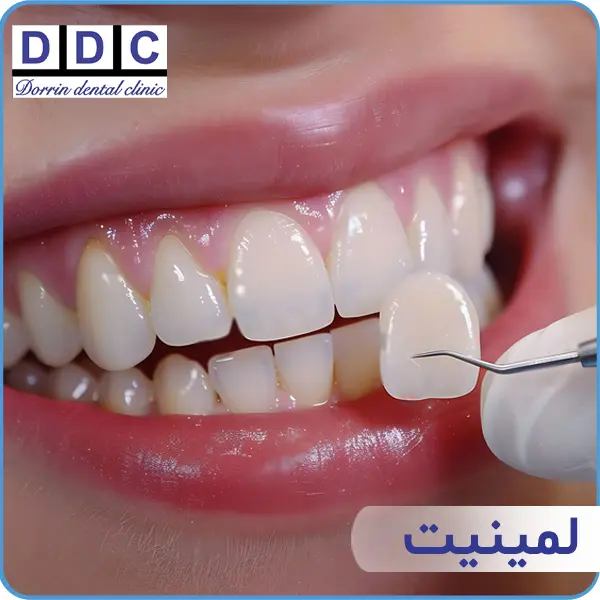
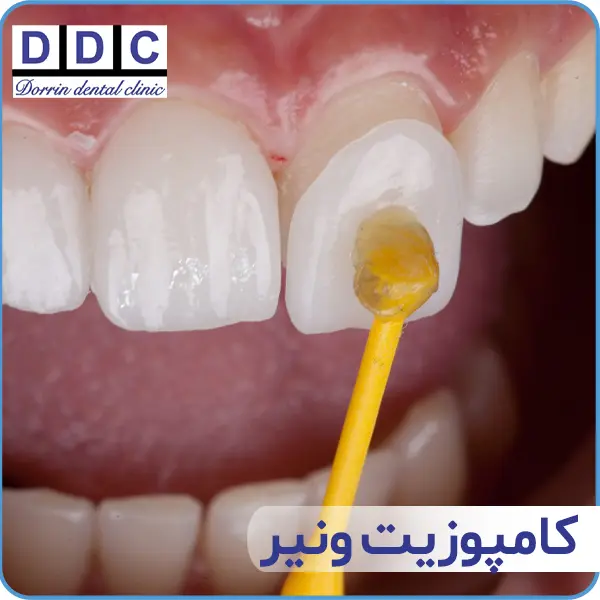
A composite veneer is a resin-based material that can be customized in various shades and applied directly to the teeth. Composite veneers are used to cover aesthetic dental imperfections, such as discoloration, irregular shape, fractures, chips, and gaps between teeth. The resin material is initially pliable, allowing the dentist to shape it directly on the tooth surface. It is then hardened using a curing light, resulting in a durable and long-lasting restoration.
Advantages of Composite Veneers:
-
Composite veneers are more affordable than ceramic laminates.
-
The procedure requires fewer sessions (usually one), as the material is applied directly by the dentist, unlike ceramic veneers that are fabricated in a dental laboratory.
-
Repair costs are relatively low if the veneer is chipped or damaged.
-
Composite veneers provide a natural appearance that blends seamlessly with surrounding teeth.
-
Minor fractures or chips can be easily repaired, similar to natural teeth.
-
Tooth preparation is minimal or sometimes unnecessary, which preserves the natural tooth structure.
Longevity of Composite Veneers:
The lifespan of composite veneers depends on factors such as oral hygiene, the type of composite used, and overall dental care. With proper maintenance and avoidance of tobacco, composite veneers can last between 7 to 10 years. While no restoration is permanent, careful care can significantly enhance durability.
Applications of Composite Veneers:
-
Filling cavities or minor defects
-
Closing gaps between teeth
-
Reshaping and resizing teeth
-
Covering surface stains
-
Enhancing overall smile aesthetics
Who Should Avoid Composite Veneers?
-
Individuals with habits like teeth grinding (bruxism)
-
Patients with severe tooth wear
-
People with significant dental misalignment
-
Those with active gum disease
-
Individuals with insufficient enamel
-
Patients with poor oral hygiene
Additionally, for individuals with pronounced or protruding teeth, ceramic veneers may be more appropriate than composite veneers. Ceramic veneers are very thin and better suited for correcting prominent teeth while preserving natural structure.
Differences Between Composite Veneers and Teeth Whitening (Bleaching):
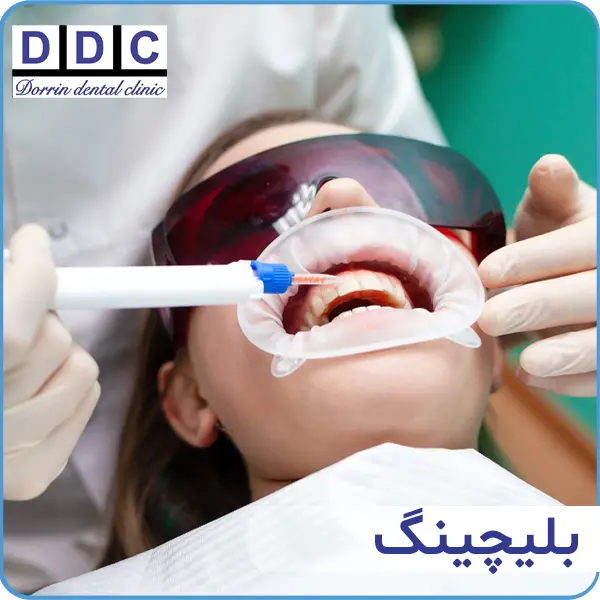
Another popular method for whitening teeth is bleaching. Both cosmetic procedures have unique advantages and limitations. While both bleaching and composite veneers can lighten teeth by two to three shades, they differ in scope:
-
Bleaching only changes tooth color and does not correct imperfections such as gaps, short teeth, or chips.
-
Composite veneers not only whiten teeth but also allow for reshaping and correcting structural or aesthetic defects.
Longevity also differs: bleaching results typically last 1–2 years with proper care, while composite veneers can last 7–10 years.
Can the Color of Composite Veneers Be Selected?
Many individuals choose composite veneers due to the wide range of shades available. However, smile design considers factors such as gender, age, skin tone, and facial features. It is recommended that patients communicate their expectations during the consultation, allowing the dentist to select the most suitable shade for an optimal aesthetic outcome.
Post-Procedure Care for Composite Veneers:
-
Maintain excellent oral hygiene to extend the lifespan of veneers and preserve natural teeth. Brush after each meal and floss daily to prevent plaque buildup.
-
Avoid teeth grinding; patients prone to bruxism should use a night guard during sleep.
-
Regular dental check-ups ensure long-term oral health and maintenance of veneers.
-
Avoid biting hard foods (e.g., raw carrots, ice, nuts) directly, as this can cause fractures or damage to veneers. Cut food into smaller pieces before consumption.
-
Refrain from damaging habits such as chewing pencils or opening bottles with teeth, as these can compromise veneer integrity.