Orthodontic Treatment
Orthodontic treatment is currently one of the most in-demand dental services. It can be applied to patients of various ages and conditions. Orthodontics comes in different types, and the methods and approach vary depending on individual needs.
Continue reading to learn more about dental orthodontics.
What is Orthodontics?
Orthodontics is a therapeutic approach aimed at improving the appearance and function of teeth. The treatment is carried out in multiple stages under the close supervision of a specialist.
Types of Orthodontics
1. Fixed Orthodontics:
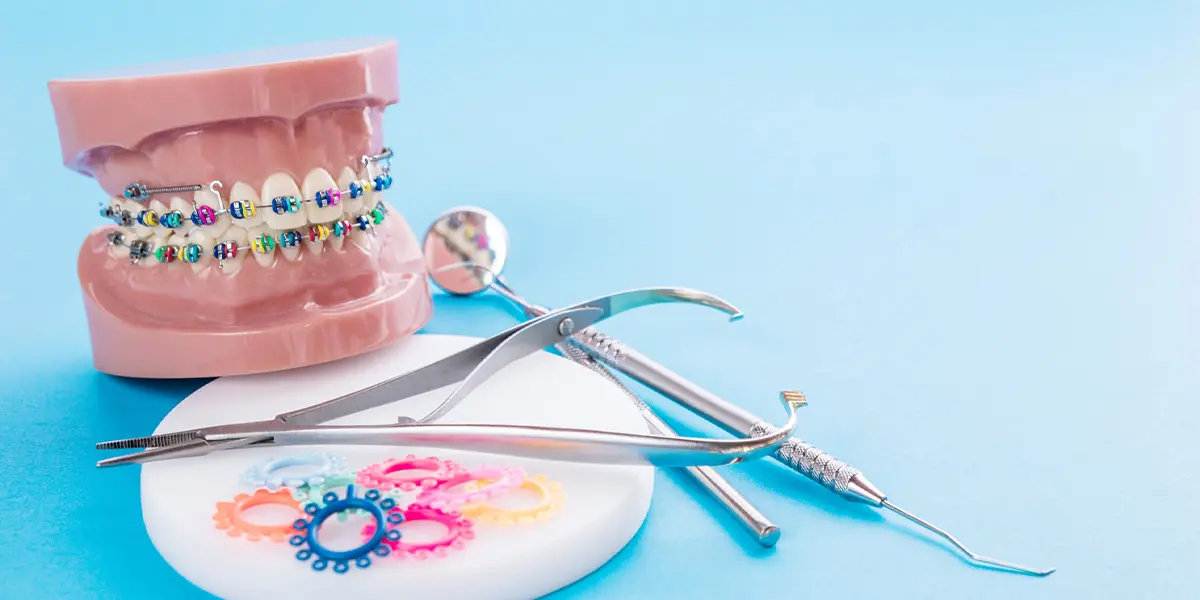
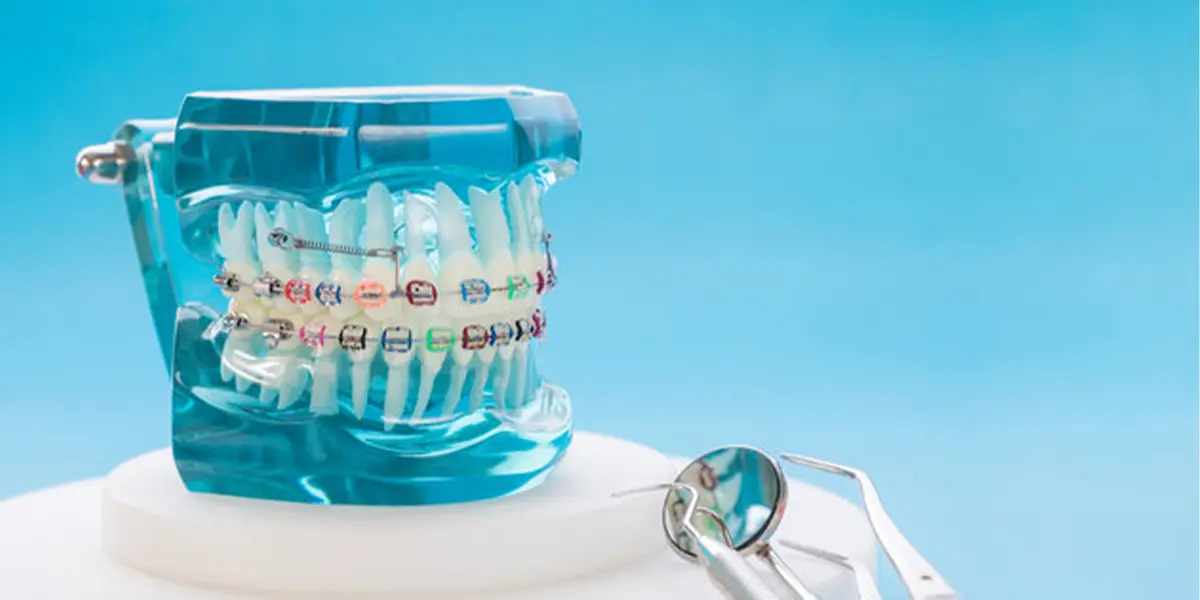
The most common type is made of silver-colored metal brackets. Fixed orthodontic braces are attached to teeth with a special adhesive. Variations of fixed braces include:
-
Ceramic braces
-
Self-ligating (Damon) braces
-
Lingual (behind-the-teeth) braces
2. Removable Orthodontics:
In this method, patients can remove the appliance while eating. Removable devices are typically used for minor dental misalignments or jaw discrepancies. These appliances can be applied to both upper and lower jaws. They are made from plastic with metal components and gradually correct misalignments with gentle pressure.
How Long Does Orthodontic Treatment Take?
The duration of orthodontic treatment varies from person to person and depends on factors such as age and type of dental issue.
-
Fixed orthodontics usually takes 1.5 to 3 years.
-
The duration of removable orthodontics is unpredictable but consistent use of the appliance significantly shortens the treatment period.
Ideal Age to See an Orthodontist
The best age for an initial orthodontic consultation is 10 to 14 years old. At this stage, children have a mix of primary and permanent teeth, which is ideal for prevention, diagnosis, and early treatment of dental and jaw abnormalities.
Delaying treatment may result in increased time, cost, and effort for correction in later years.
Importance of Bracket Stability
The movement of teeth is achieved through the wires exerting force on the brackets. If a bracket becomes loose or detached, tooth movement can be disrupted, prolonging treatment. Therefore, any detached bracket must be re-attached promptly by an orthodontist.
Who Needs Orthodontic Treatment?
Individuals may require orthodontics due to dental irregularities or functional issues, such as:
-
Crowded or misaligned teeth
-
Overlapping or spaced teeth
-
Improper eruption of teeth
-
Tooth rotation
-
Deep bite (overbite)
-
Crossbite (underbite)
Factors Affecting Treatment Duration
Treatment time is individualized and can vary depending on:
-
Type and severity of dental issues: Greater misalignment or spacing increases treatment duration.
-
Patient compliance: Following dietary instructions, maintaining oral hygiene, and attending regular appointments accelerates treatment.
-
Overall health: Conditions such as gum disease, oral infections, or high blood sugar may slow down progress.
-
Physiological characteristics: Tooth type, age, and eating habits influence treatment speed.
Risks of Not Undergoing Orthodontic Treatment
If malocclusion or dental misalignment is left untreated, several problems may arise:
-
Tooth decay
-
Gum disease
-
Respiratory issues
-
Chewing difficulties and digestive problems
-
TMJ disorders (jaw pain)
-
Neck, shoulder, or back pain
-
Reduced aesthetic appearance of the smile
Benefits of Orthodontic Treatment
-
Improved oral health
-
Enhanced chewing and speech
-
Better facial and smile aesthetics
-
Increased self-confidence
-
Prolonged lifespan of teeth
-
Reduced risk of plaque and tartar buildup
Post-Treatment Care and Retainers
After orthodontic treatment, teeth may relapse to their original positions. To prevent this, the use of a retainer is essential.
-
A retainer is a dental appliance that maintains teeth alignment after treatment.
-
Initially, retainers are worn full-time (except when eating or brushing) and later may be limited to nighttime use as advised by the orthodontist.
-
Regular follow-up visits are crucial to monitor alignment, typically first check-up 4 months after treatment.
-
If a fixed retainer wire breaks, a removable retainer should be used until repair.
-
Always bring removable retainers to follow-up appointments.
-
Clean removable retainers with a soft toothbrush and mild detergent, and occasionally use antibacterial cleaning tablets.
-
Store retainers in a protective case when not in use.
-
Maintain proper oral hygiene before and after placing retainers with regular brushing and flossing.